
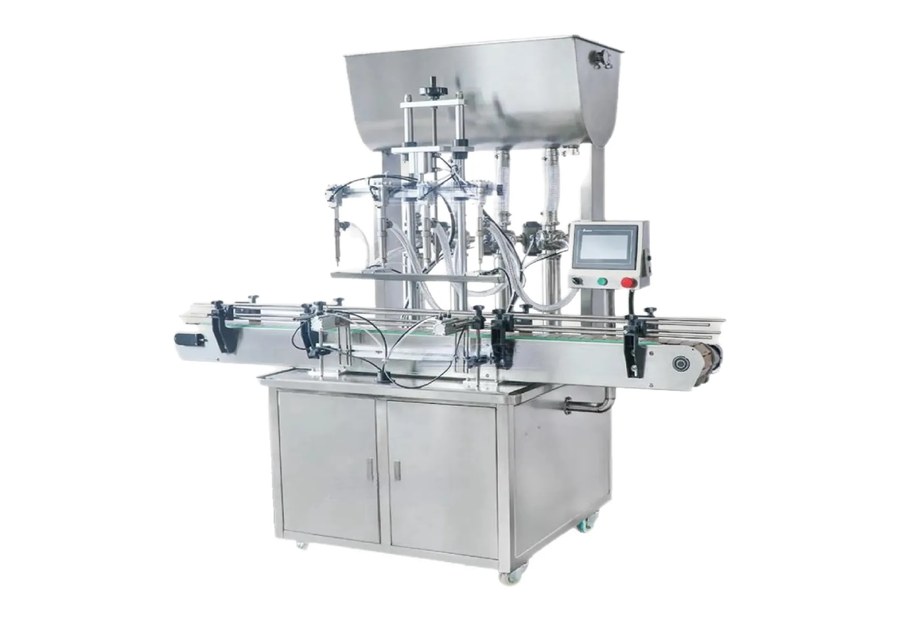
Sauces and condiments
Ketchup, chutney, pesto, mayonnaise, dressings and viscous food sauces where drip control and clean jar presentation matter.
Sauce filling machines →Choose the product closest to yours and see which paste filling route is likely to fit your viscosity, container, hygiene and output requirements.
Each route explains the product behaviour, container handling and machine options that matter before you request a quotation.
Ketchup, chutney, pesto, mayonnaise, dressings and viscous food sauces where drip control and clean jar presentation matter.
Sauce filling machines →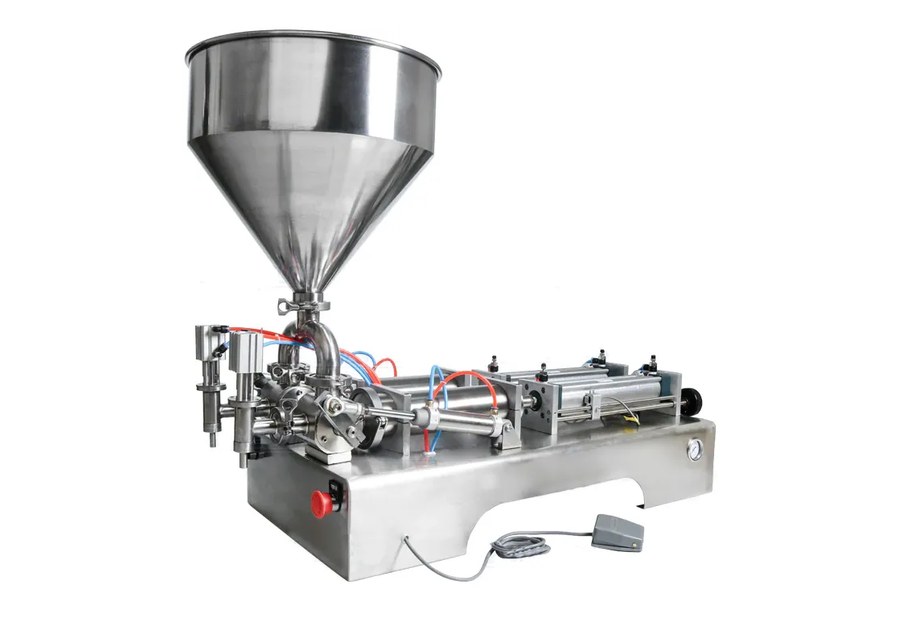
Thick, sticky and temperature-sensitive products that may need heated hoppers, careful cut-off and reliable fill repeatability.
Honey and jam fillers →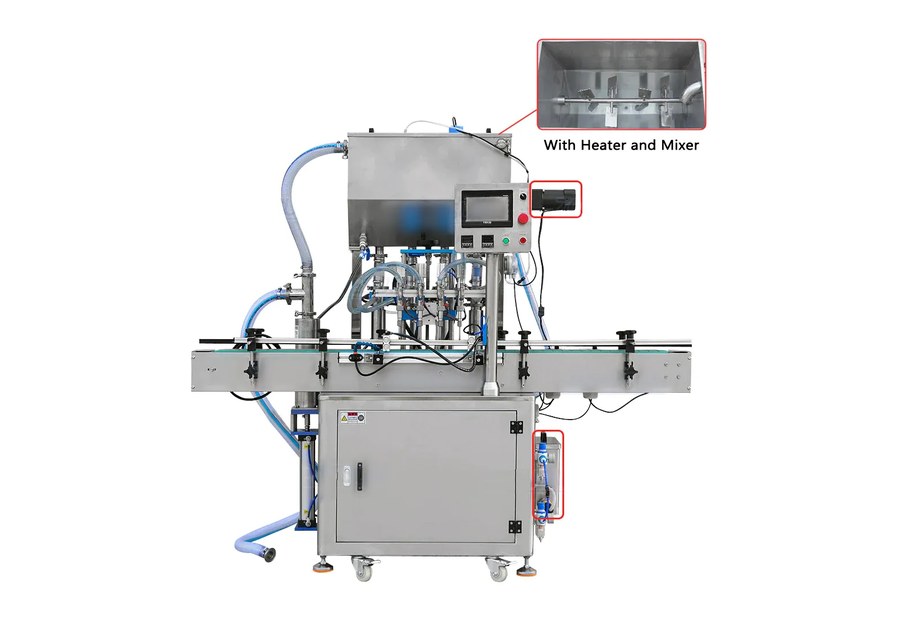
Creams, masks, lotions, gels and personal-care products where cleanability, recipe control and closure integration are important.
Cream and gel filling →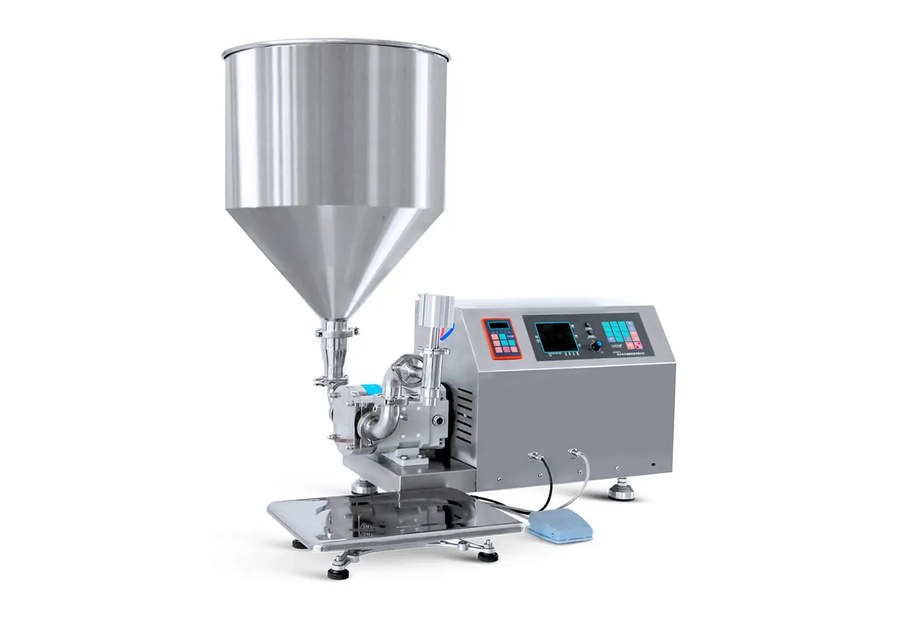
Industrial pastes, waxes, greases, adhesives and sealants where viscosity, stringing and material compatibility must be reviewed.
Industrial paste filling →Move from your product route to semi-automatic machines, automatic filling lines, piston fillers or the quote form without guessing where to go next.
Flexible piston filling for smaller batches, trials, contract packing and products where an operator places containers or controls each cycle.
View semi-auto route →Inline multi-nozzle filling for higher output, repeatable dosing and integration with conveyors, capping, labelling and coding.
View automatic route →Positive-displacement volumetric dosing for sauces, creams, gels, honey, sealants and similar viscous products.
Compare piston fillers →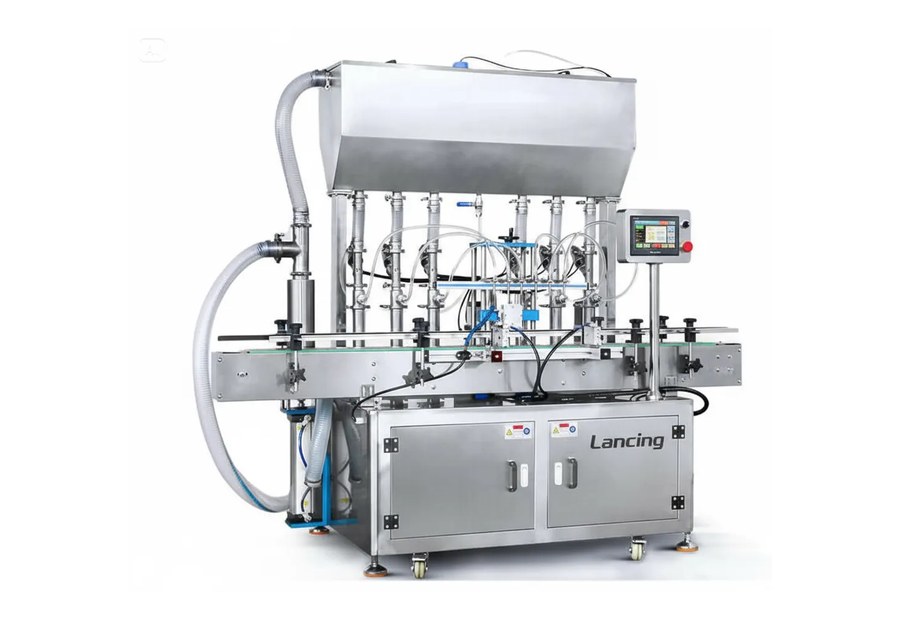
Plan the filler with closure handling, bottle stability, conveyor layout, labelling and end-of-line requirements from the start.
Plan line integration →Different applications have different flow, hygiene, container and output requirements. Product-led pages help you find the most relevant paste filling route.
No. Viscosity, particulates, temperature, fill volume, container opening and clean-down needs can lead to different machine routes.
Yes. Each application route links to semi-automatic, automatic, piston and line integration pages where relevant.
“Sauce”, “cream” or “adhesive” can describe products with very different flow, particles and cleaning needs. A stronger enquiry explains how the product behaves at the point of fill and what a good finished pack must look like.
| Observed behaviour | What it can affect | Information to send |
|---|---|---|
| Thickens as it cools | Hopper feed, pump load, fill time and nozzle cut-off. | Normal fill temperature, minimum acceptable temperature and how quickly the product changes after heating. |
| Contains seeds, herbs or pieces | Valve passage, pump choice, nozzle bore and product damage. | Largest particle, typical concentration, photographs and whether particles must remain intact. |
| Strings or tails | Container cleanliness, fill accuracy, capping and labelling. | Short video of the current fill, neck opening, required headspace and acceptable cut-off appearance. |
| Separates or settles | Consistency between early and late containers, hopper design and agitation. | Standing time, mixing method, sensitivity to air and the acceptable level of agitation. |
| Traps air | Apparent fill volume, weight variation, foam and post-fill settling. | How the product is made and transferred, rest time before filling and how the finished quantity is checked. |
| Cures, skins or reacts | Seal choice, dead legs, shutdown procedure and cleaning time. | Safety data, compatible materials, maximum exposure time and approved cleaning process. |
Sauces, honey, jam and spreads need review of temperature, particulates, product-contact cleaning and pack presentation. Where the broader requirement includes thin or foaming food liquids, the Lancing food and drink filling range provides the wider route.
Review food paste filling →Creams, gels, balms and lotions may need clean cut-off, controlled product temperature and fast changeover between recipes. Air entrapment and finish quality can be as important as headline speed.
Review cosmetic paste filling →Adhesives, sealants, greases and resins need material compatibility, curing risk and cleaning boundaries defined before a pump is chosen. For wider hazardous or chemical handling, use the specialist Lancing chemical fillers route.
Review industrial paste filling →A trial should not use only the easiest SKU. Include the coldest or thickest normal product, the smallest container opening, the largest expected particle and the fill volume most likely to challenge the selected dosing module.
Record batch age, temperature, mixing history and time standing before each test.
Use production containers and closures, including any lightweight or unstable format.
Record fill quantity, rejects, drips, particle damage, settling and the stable output achieved.
Viscosity does not describe particles, elasticity, shear sensitivity, air content, settling or how the product changes with temperature. Those behaviours affect valves, pumps, nozzles and cleaning.
A short video showing the product being poured, scooped or pumped at its normal filling temperature is useful. Include the current filling problem and the container opening where possible.
Yes. The largest credible particle and its shape should be compared with every restriction in the product path, including valves and the final nozzle.
A preliminary shortlist can often be made from good data, but a representative sample is safer when the product is thick, particulate, stringy, aerated, temperature-sensitive or difficult to clean.
Use this site for paste and viscous-product filling. Broader thin-liquid, chemical, volumetric or fully automatic line requirements may be better handled by the relevant Lancing specialist site linked from this page.
Industry labels are useful for navigation, but machine selection should use the actual failure risk: slow refill, particles, shear, aeration, stringing, temperature, chemical compatibility, cleaning or pack presentation.
| Application family | Typical decision drivers | Best next guide |
|---|---|---|
| Sauces and condiments | Particles, temperature, rim cleanliness, jar or bottle handling and cleaning. | Sauce filling machines |
| Creams and gels | Shear sensitivity, air, texture, small doses, cleanability and closure presentation. | Cream and gel filling |
| Honey and preserves | Temperature, stringing, fruit pieces, density and clean jar closure. | Honey and jam filling |
| Adhesives and sealants | Compatibility, pressure, cure, stringing, exposure and difficult clean-out. | Industrial paste filling |
For project controls that apply across sectors, use the paste filling technical resource centre.