
Filling temperature
Warm and cold products can behave differently, affecting speed, nozzle cut-off and hopper feed.
Food paste filling advice for sauces, jam, honey and viscous products packed into jars, bottles, tubs and similar containers.
Review product feed, cleanability, fill temperature, particles, jar handling and downstream capping or labelling.
Warm and cold products can behave differently, affecting speed, nozzle cut-off and hopper feed.
Food applications need clear access to contact parts and a cleaning routine suited to the product.
Reduce smearing on rims and shoulders by matching the nozzle, fill speed and container opening.
Move from your product route to semi-automatic machines, automatic filling lines, piston fillers or the quote form without guessing where to go next.
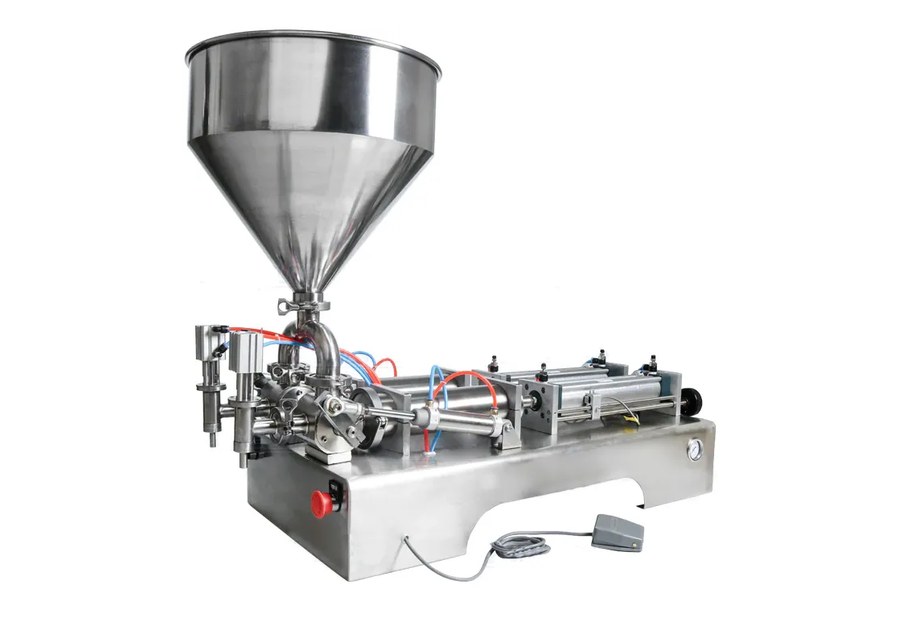
Flexible piston filling for smaller batches, trials, contract packing and products where an operator places containers or controls each cycle.
View semi-auto route →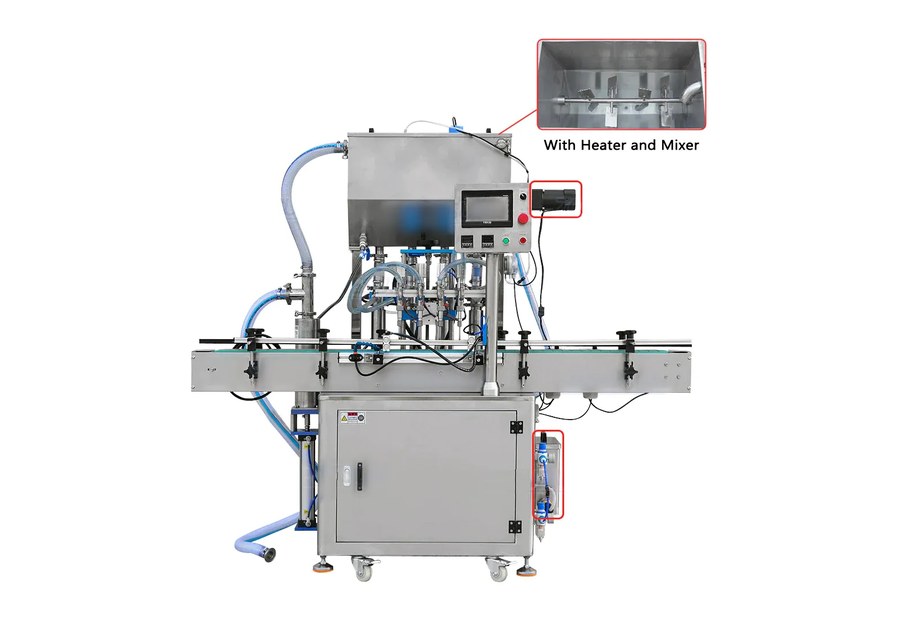
Inline multi-nozzle filling for higher output, repeatable dosing and integration with conveyors, capping, labelling and coding.
View automatic route →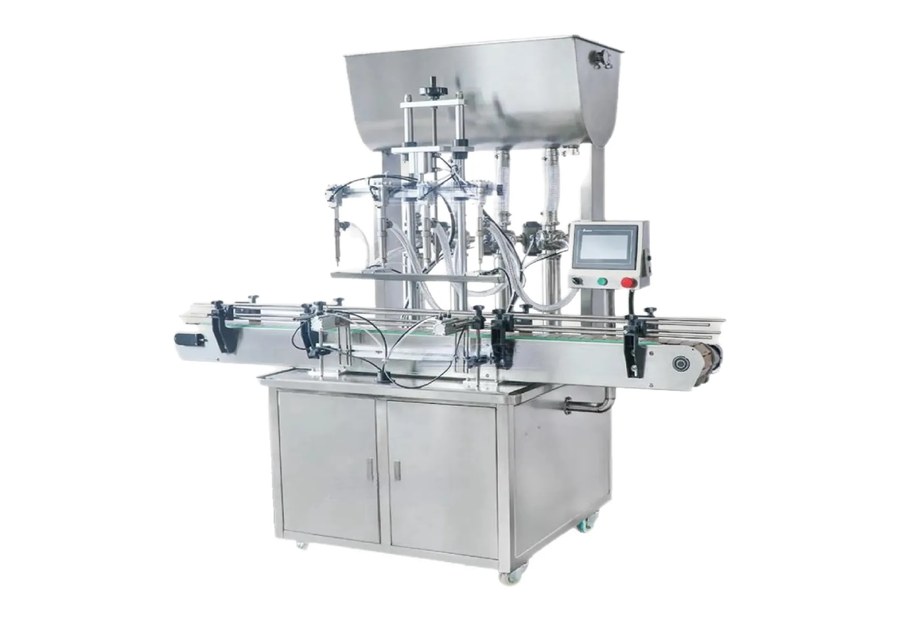
Positive-displacement volumetric dosing for sauces, creams, gels, honey, sealants and similar viscous products.
Compare piston fillers →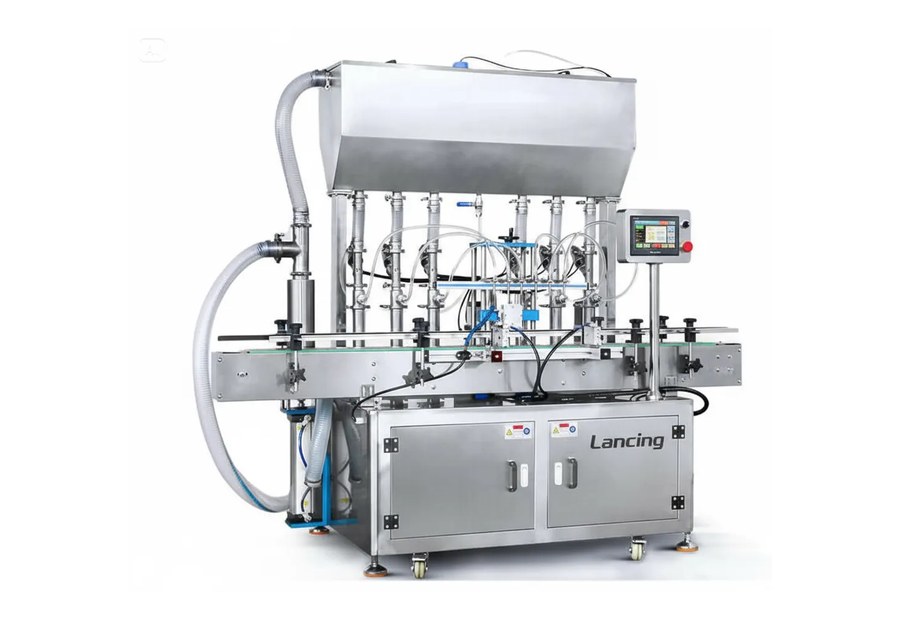
Plan the filler with closure handling, bottle stability, conveyor layout, labelling and end-of-line requirements from the start.
Plan line integration →Typical enquiries include sauces, jam, honey, chutney, mayonnaise, dressings, pastes and other viscous food products.
Some systems can handle certain particles, but size, shape, suspension and product path must be reviewed.
Yes. Filling can be integrated with capping, labelling, coding, conveying and accumulation where a production line is required.
For multi-product food production, map pumps, hoses, valves, nozzle mechanisms, guards, conveyors and any surface where residue can accumulate. The Food Standards Agency’s review of allergen-cleaning guidance highlights equipment design, accessibility, disassembly, residue traps and monitoring as important considerations. The site must develop and validate its own cleaning procedure for the actual products and risks.
Use the paste filler cleaning and changeover guide and review the FSA’s allergen-cleaning evidence summary.