
Clean presentation
Pots, jars and bottles often need clean shoulders, minimal smearing and a consistent fill appearance.
Compare cream filling machines, gel filling machines and cosmetic paste fillers with content about dosing, presentation, cleaning and closure integration.
Plan the filler alongside pump, screw-cap or trigger capping where your pack format requires it.
Pots, jars and bottles often need clean shoulders, minimal smearing and a consistent fill appearance.
Multiple cosmetic SKUs benefit from documented settings, repeatable fill volumes and sensible changeover routines.
Pumps, screw caps, droppers and trigger closures can affect the full line layout and container stability.
Move from your product route to semi-automatic machines, automatic filling lines, piston fillers or the quote form without guessing where to go next.
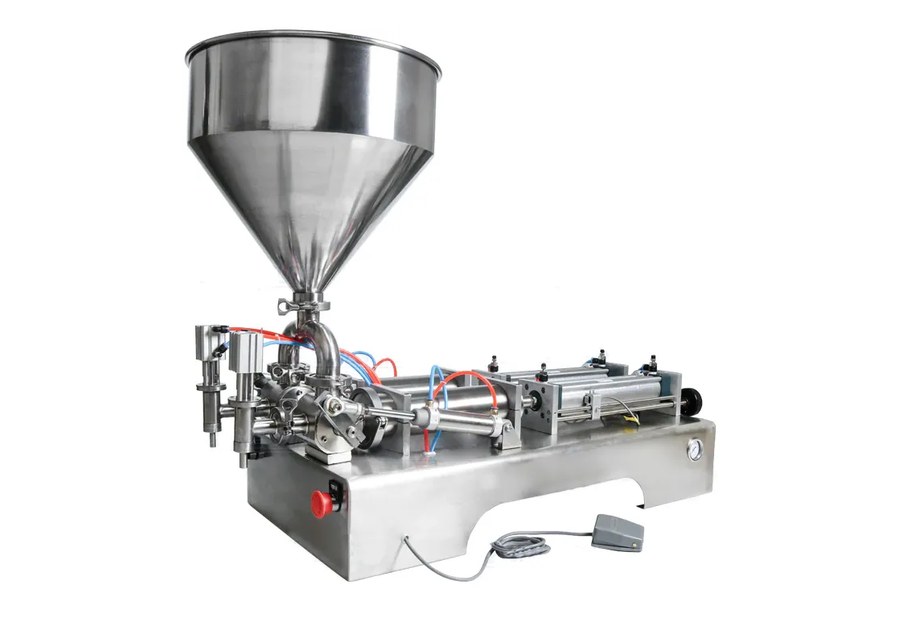
Flexible piston filling for smaller batches, trials, contract packing and products where an operator places containers or controls each cycle.
View semi-auto route →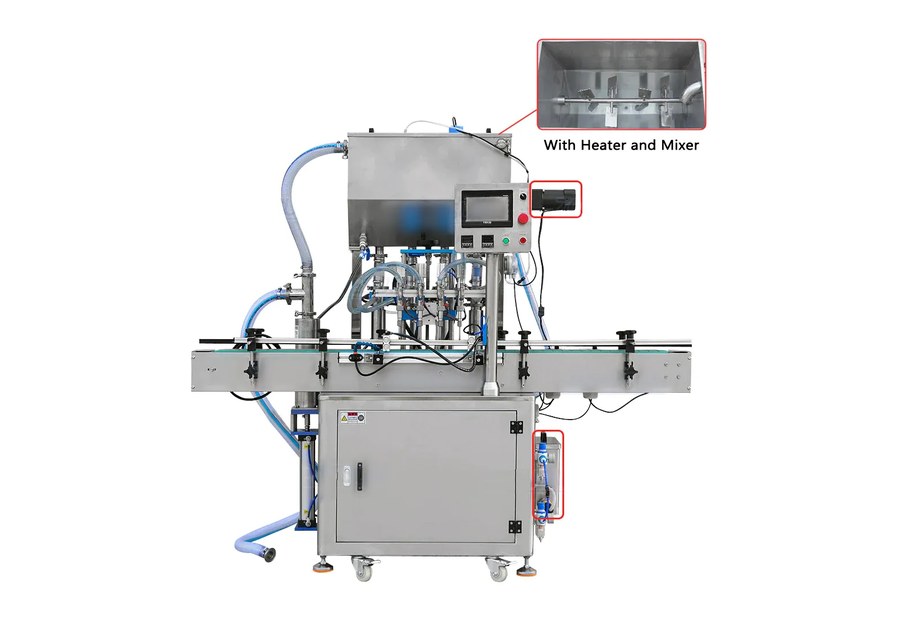
Inline multi-nozzle filling for higher output, repeatable dosing and integration with conveyors, capping, labelling and coding.
View automatic route →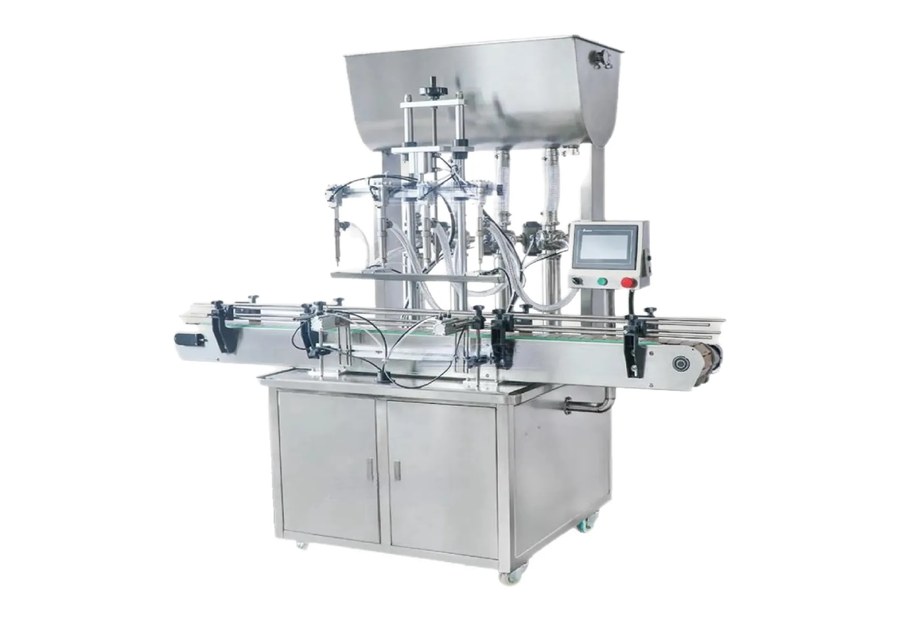
Positive-displacement volumetric dosing for sauces, creams, gels, honey, sealants and similar viscous products.
Compare piston fillers →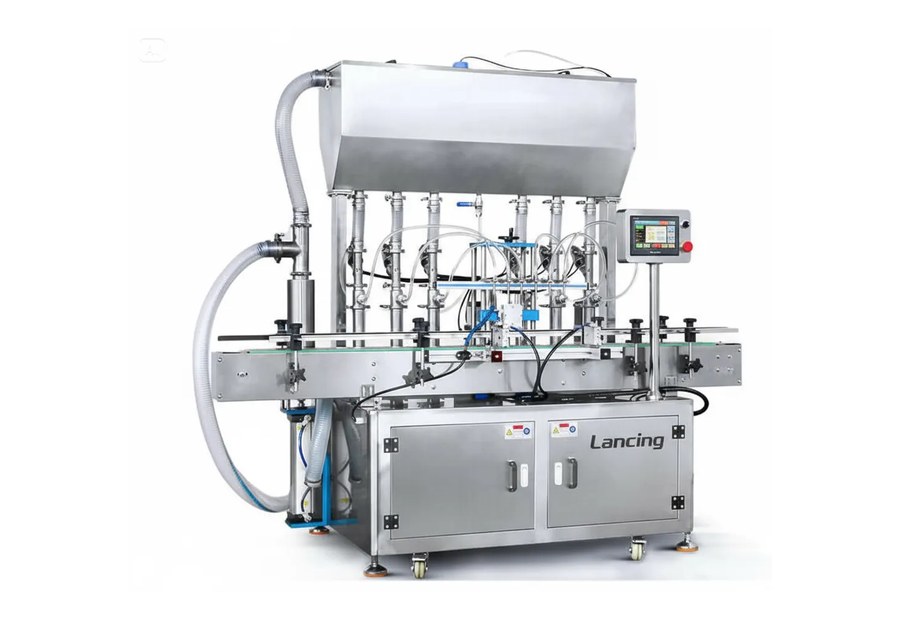
Plan the filler with closure handling, bottle stability, conveyor layout, labelling and end-of-line requirements from the start.
Plan line integration →Common products include skin creams, masks, gels, lotions, hair products, body scrubs and other personal-care products, subject to product review.
Nozzle selection, fill speed, cut-off design and product temperature can all affect tailing or dripping.
Yes. Cosmetic packs often require screw caps, pumps, trigger sprays or specialist closures, so filler and capper planning should be connected.
Cosmetic creams, gels, masks and lotions often require more than a repeatable quantity. The product must arrive without unwanted air, the nozzle should leave a clean pack and the filling method should support frequent recipe and container changes.
Mixing, transfer and aggressive suction can introduce air. That can change apparent volume, cause bubbles in clear jars and create settling after the container leaves the filler. Record how the product is prepared and the allowed rest time before filling.
Elastic gels and creams can continue to stretch after flow stops. Compare shut-off nozzles, suck-back and fill profile using the actual time between containers. Check the neck and outside wall before capping or labelling.
Some balms or creams need controlled warmth to remain fillable. Define the allowed temperature window and verify that heating or repeated pumping does not change texture, colour or emulsion stability.
Cosmetic production may involve colours, fragrances and active ingredients. Map the wetted path, residual volume and cleaning sequence. Decide which hoses, seals or nozzles are dedicated and which can be validated for reuse.
| Quality point | What to test | Evidence to retain |
|---|---|---|
| Visual finish | Bubbles, smears, strings, product on threads and fill surface. | Photographs from the start, middle and end of a timed run. |
| Dose repeatability | Sequential packs at the actual fill volume and product temperature. | Recorded weights or volumes and the measurement method. |
| Container handling | Jars, tubes or bottles at minimum and maximum sizes. | Guide settings, nozzle position and any format parts. |
| Cleaning | Drain-down, strip-down, residue removal and restart. | Written changeover steps and accepted clean verification. |
For broader cosmetic liquids such as fragrances or low-viscosity serums, the Lancing cosmetic filling machinery route may be more appropriate. Keep this site focused on creams, gels, balms and other viscous products.
Prioritise low hold-up, simple cleaning and controlled operator handling.
Semi-automatic route →Coordinate filling with jar or bottle infeed, capping and label protection.
Automatic route →Use the final formula, pack and fill temperature in the acceptance trial.
Trial protocol →Air may be introduced during mixing, transfer, piston refill or aggressive pumping. Review the preparation method, suction conditions and rest time before filling.
Potentially, but the products may need different nozzle cut-off, pump or piston settings and cleaning. Clear gels can make bubbles and strings more visible.
It may suit balms, waxes or products that need a defined temperature to flow. The operating window and effect on product quality must be validated.
Use a product path with controlled hold-up, suitable drain-down, accessible contact parts and a defined recovery method. The acceptable residual volume should be agreed.
Include the smallest opening, lightest or least stable pack, largest format and any container where the label or closure is sensitive to product smear.
Record dose, visual finish, bubbles, cut-off, container handling, product temperature, output, changeover and cleaning under the agreed production conditions.
Creams and gels can change under agitation, suction, pumping or repeated recirculation. Compare reference and filled product after the expected residence time, not only immediately after the first cycle.
Look for loss of body, thinning, thickening, split emulsions or delayed texture recovery.
Review hopper return, suction conditions, mixing, nozzle position and fill profile where bubbles affect appearance or quantity.
Define contact materials, strip-down, inspection and changeover evidence for the actual formulation.
Use the shear-sensitive filling guide and accuracy testing guide.
Creams and gels can trap air, string at the nozzle or change structure when pumped. A useful test compares the filled product with an untouched reference and records appearance as well as quantity.
Reduce the opportunities for air to enter before increasing machine pressure. Review mixing and transfer, hopper return flow, chamber refill, suction leaks, nozzle height and fill profile. Bottom-up filling or a slower initial stage can help some packs, but the complete method must be tested for bubbles, voids and surface finish.
Stringing depends on elasticity and cohesive behaviour as well as resistance to flow. A gel may pass easily through the product path but stretch after nozzle closure. Nozzle geometry, shut-off, suck-back, temperature, fill speed and distance to the pack all influence whether the tail breaks cleanly.
High local shear, repeated recirculation, temperature rise, aeration or unsuitable clearances can change an emulsion or structured cream. Compare texture, density, appearance and any approved quality measure before and after the full product path, including the longest expected residence time.
Bottom-up filling can reduce drop distance, surface disturbance and some air entrapment by keeping the nozzle closer to the rising product. It adds nozzle motion and timing that must be coordinated with the container. Prove the benefit using the real pack, especially where the opening is narrow or presentation is critical.
Read about preventing air pockets, choosing a nozzle and protecting shear-sensitive product structure.
Send a representative sample, normal temperature, approved quality checks and the production container so fill quantity and appearance can be assessed together.