Paste filling machinery, line integration and UK support01494 623015 · sales@lancinguk.com
Table top paste filler

Table top paste fillers for small batch production.

A compact paste filler can help move away from hand filling while keeping trials and short runs flexible.

UK specification adviceProduct-led selectionFill, cap and label options
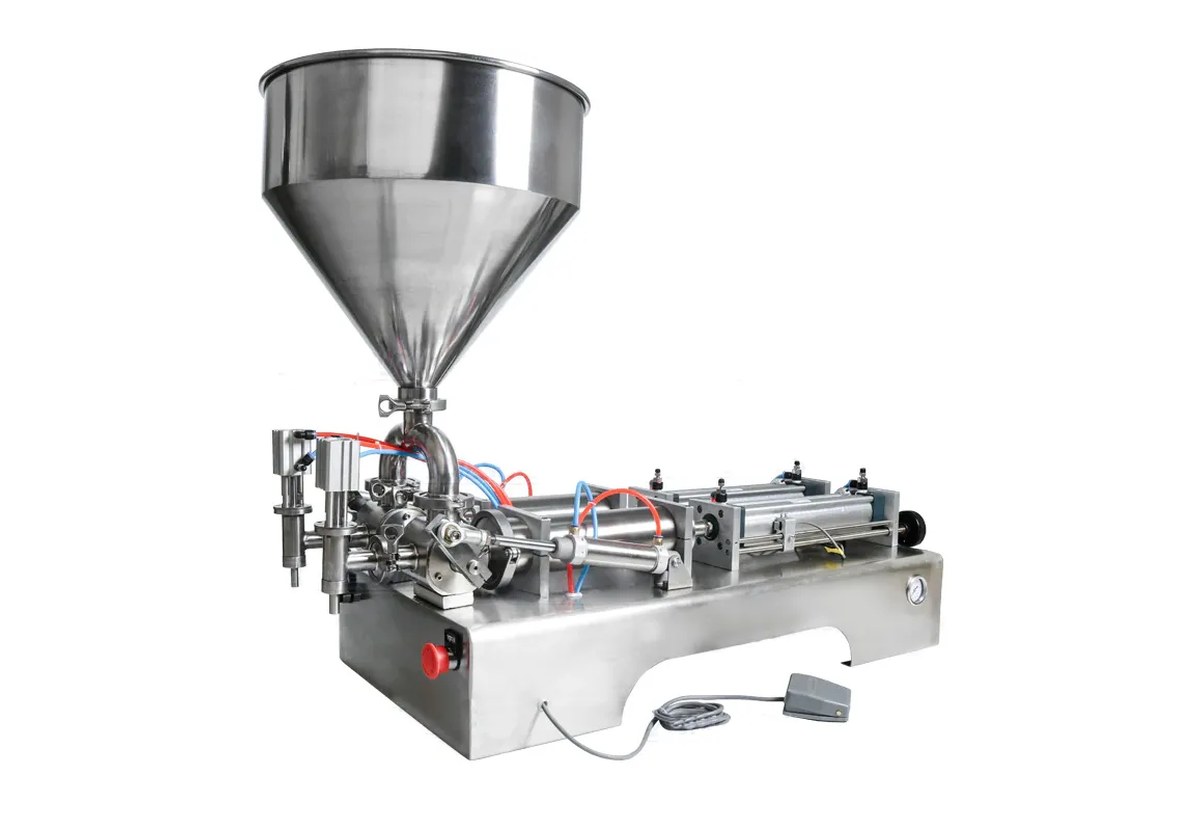
Table top paste filling machine
Application routecompact semi-automatic piston filling where suitablesmall jars, bottles, pots and test packs
Productsmall batches of sauces, creams, gels, honey, jam and pastes
Packssmall jars, bottles, pots and test packs
Routecompact semi-automatic piston filling where suitable
Buyer intent

Specify the filler around your product, pack and output.

A compact paste filler can help move away from hand filling while keeping trials and short runs flexible. The right machine route is usually decided by the product path, dosing method, nozzle shut-off, cleaning access and how the container moves through the line.

Best suited to

Small batches of sauces, creams, gels, honey, jam and pastes

This page is for producers, manufacturers and contract packers filling small batches of sauces, creams, gels, honey, jam and pastes into small jars, bottles, pots and test packs. It highlights the practical details that affect accuracy, mess, changeover and line speed.

Filling route

Compact semi-automatic piston filling where suitable

For thick or difficult products, the filling method should be selected after reviewing viscosity, dose size, particle content, temperature, product contact requirements and output target.

Line planning

Filling, capping and labelling

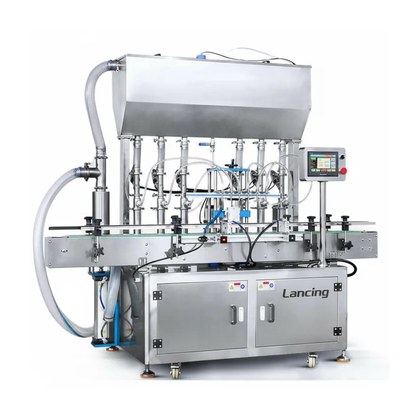
The filler can be planned as a stand-alone machine or linked with conveyors, cap handling, labelling, coding and packing where production needs a complete route.

Specification points

Check these before choosing the machine.

  • Bench space, air supply and operator workflow
  • Fill range and changeover between small packs
  • Hopper size and product refill method
Quote questions

Useful details to send with your enquiry.

Clear product and pack information helps shortlist the right paste filler and avoids specifying a machine that is too small, too slow or unnecessarily complex.

  • How many containers are filled per batch?
  • What is the smallest and largest fill volume?
  • Will the machine be used for trials or production?

Photos of the product, container, closure and any existing filling setup are also useful when planning the route.

Related pages

Compare related paste filling options.

These pages help compare product type, automation level and line integration before you request a quote.

Paste filling machines

Compare the main paste filler routes.

View page →

Buyer guide

Check specification points before quotation.

View page →

Request a quote

Send product, container and output details.

View page →
Quick answers

Table top paste filler FAQs.

Which filler is suitable for small batches of sauces, creams, gels, honey, jam and pastes?

The suitable filler depends on viscosity, dose size, container, temperature, product behaviour and output target. Many small batches of sauces, creams, gels, honey, jam and pastes applications need positive-displacement paste filling with a hopper, valve and nozzle arrangement matched to the product.

What details are needed before a quote?

Useful details include the product, fill volume, container dimensions, closure type, target output, cleaning requirements, photos of the pack and whether filling only or a complete line is required.

Can the filling machine be linked with capping and labelling?

Yes. Paste filling equipment can be planned as a stand-alone filler or as part of a wider line with conveyors, capping, labelling, coding and accumulation.
Need help choosing the right paste filler?

Send your product, container, fill volume, closure and target output. Lancing can help compare the practical options before quotation.

Send project detailsCall 01494 623015